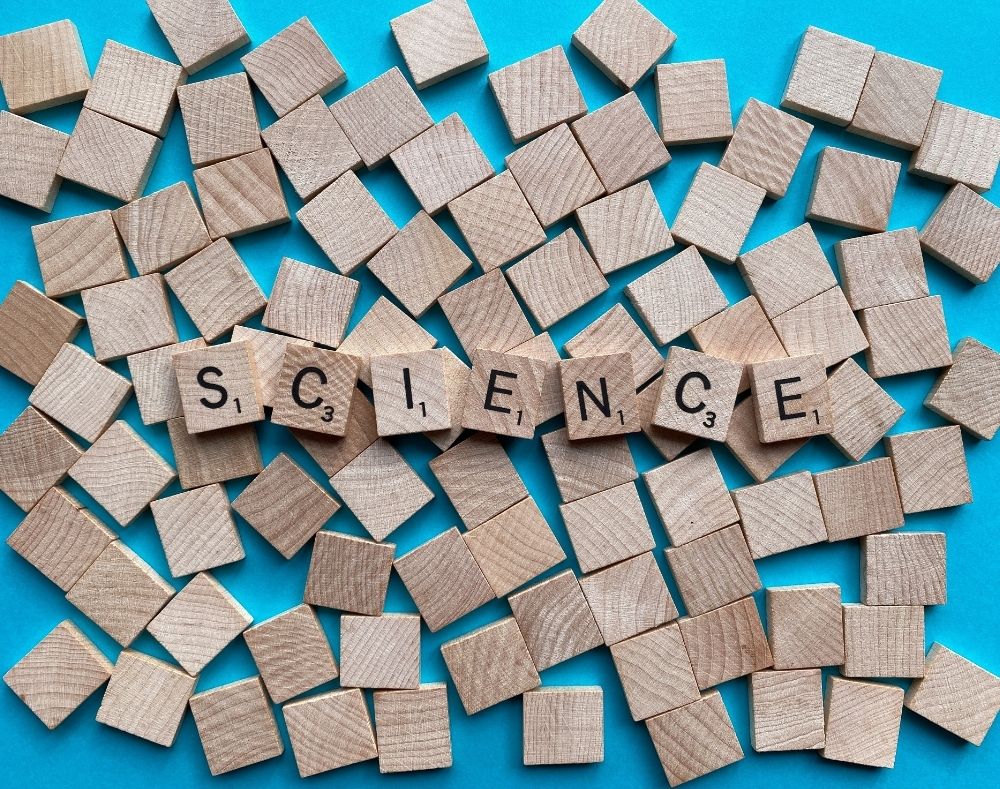
Seven Journeys at the Intersection of Science and Christian Faith
Scientific work and atheism are separate commitments. Scientists hold a range of religious and nonreligious beliefs. This collection introduces seven people whose scientific training, research, or wider intellectual questions played a part in their journeys toward Christian faith.
Seven stories to explore
- Daniel Mizell — Mechanical engineering. In this interview, he reflects on knowledge, morality, and the limits he saw in a naturalistic worldview.
- Günter Bechly — Paleontology. His first-person account describes his path from atheism to faith. Bechly also advocates for intelligent design and criticizes neo-Darwinian explanations; you can explore his advocacy archive.
- Sarah Salviander — Astrophysics. Her profile discusses her conversion and continuing research on quasars, black holes, and galaxies.
- Sy Garte — Biochemistry. In his FAQ, he describes his Christian beliefs and explicitly affirms evolution and mainstream scientific estimates for the ages of Earth and the universe.
- Michael Guillen — Physics and science communication. In Believing Is Seeing, he recounts his journey from atheism to Christianity and argues that science and faith can be considered together.
- Francis Collins — Medicine and genetics. He reflects on the questions and experiences that led him from atheism to Christian faith, alongside his scientific career.
- Alister McGrath — Molecular biophysics and theology. His biography describes his scientific education and later work in Christian theology.
Read each account carefully
- Let each person explain their own journey in their own words.
- Distinguish when an experience happened from when it was later discussed or published.
- Separate scientific claims from philosophical, historical, and personal claims.
- Examine the reasons offered; credentials alone do not establish a conclusion.
These accounts offer seven perspectives to consider. They do not show a mass conversion among scientists or imply that the authors agree on every question about science, origins, or faith.